EN
EN  HR
HR 

current exhibitions: www.gkd.hr
tickets: prodaja@gkd.hr
The Klovićevi dvori Gallery is one of the most important cultural institutions in Croatia. With its wide scope of work, which captures artistic phenomena and cultural events from prehistory to the present day, it continuously intrigues domestic and foreign audiences with new and different views of historical and contemporary artistic events in the variety of programs offered. Since its foundation in 1982, the Klovićevi dvori Gallery, then called the Museum Space, was the first to make strides on the Croatian art and cultural scene.
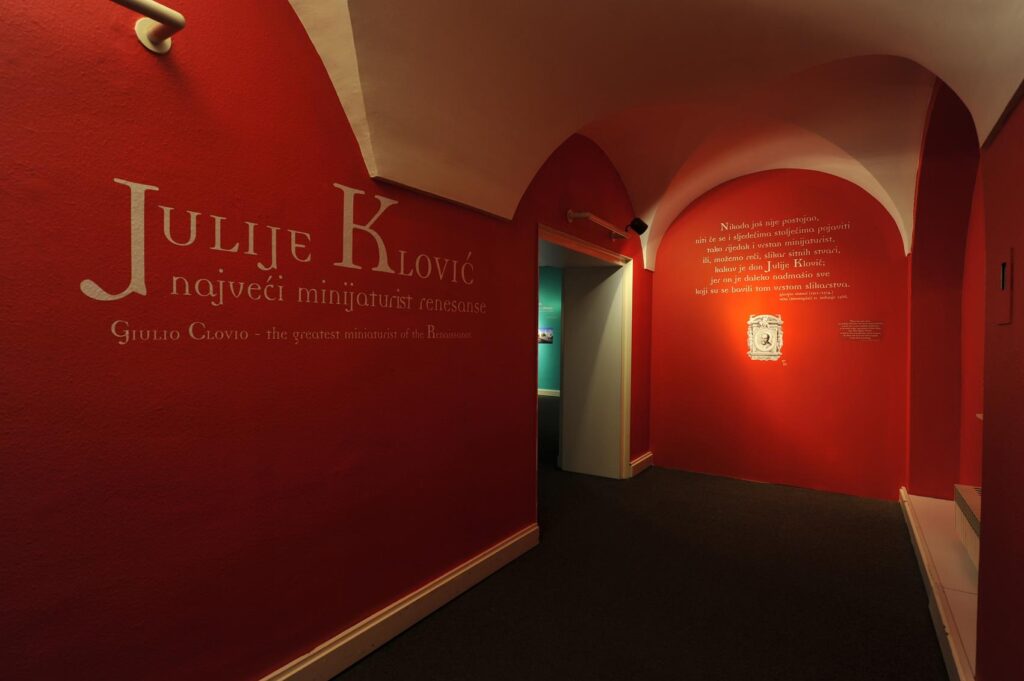
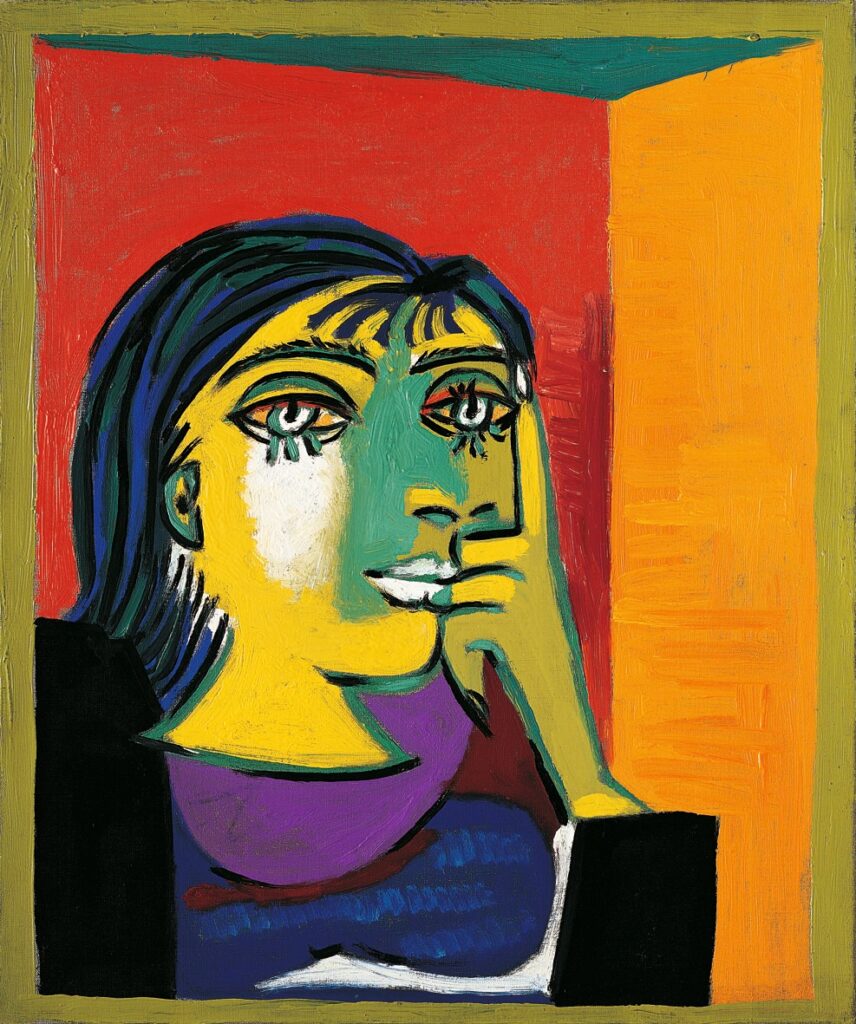
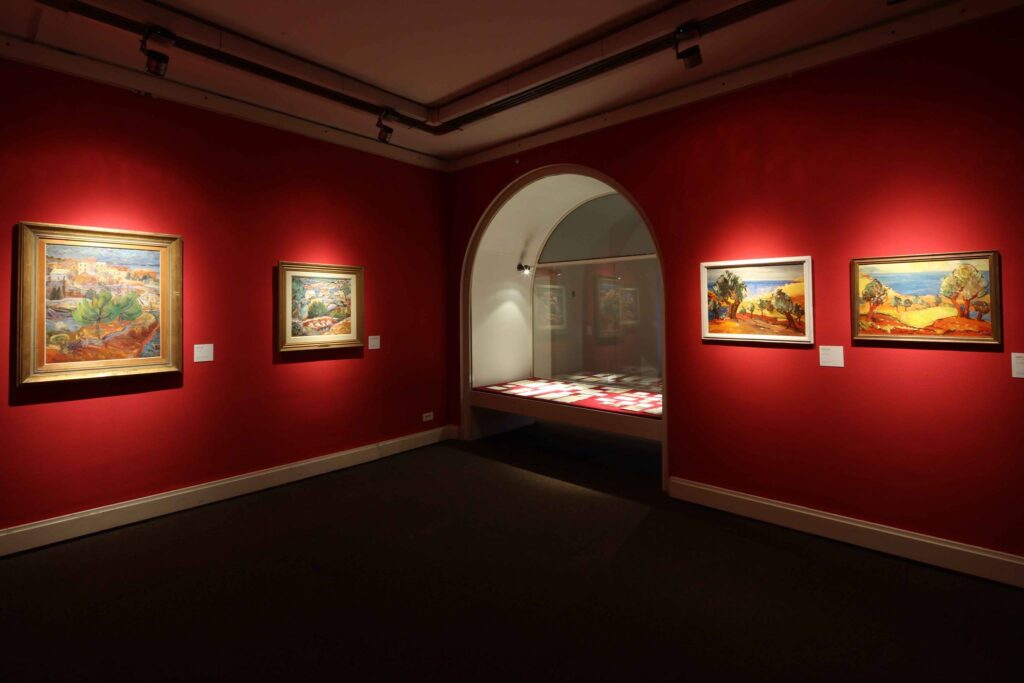
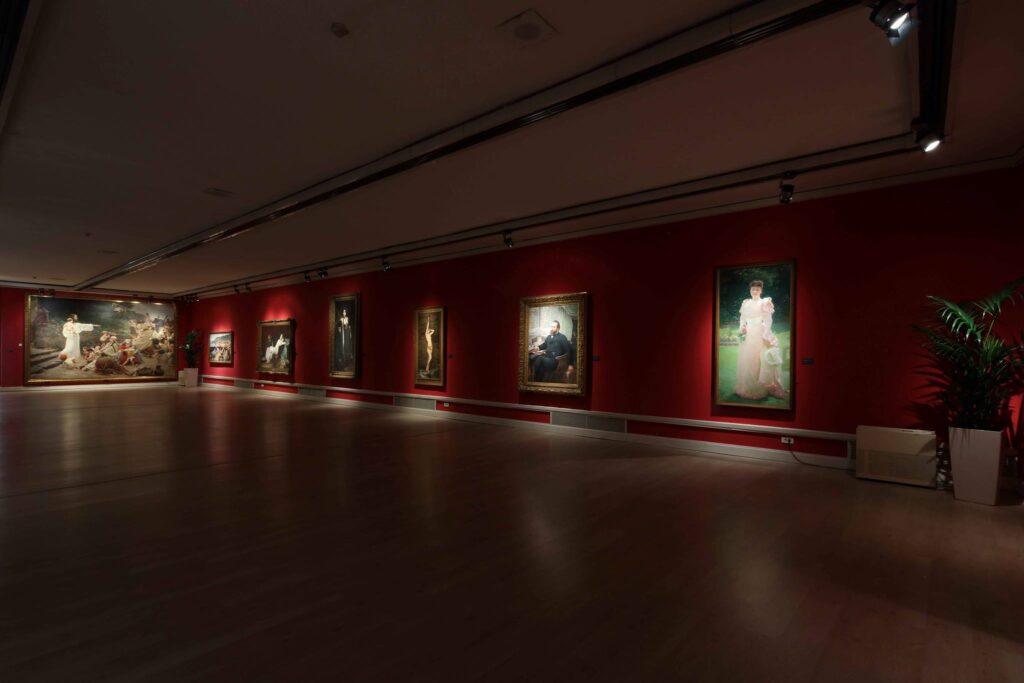
On its four exhibition floors, it organizes up to 30 exhibitions annually, which are regularly visited by several hundred thousand visitors. The high criteria of the exhibition program are maintained by introducing innovations in the approach, choosing complex topics and methods of presentation, applying new technological achievements. With its exhibition program, it promotes historical cultural heritage as well as contemporary art, and some of the successful projects that have been realized in recent years in the Gallery Klovićevi dvori are exhibitions Dora Maar and Picasso: touch with looks; Van Gogh, Mondrian and the Hague painting school; Marc Chagall – Story of stories; Pompeii – life in the shadow of Vesuvius; Titian, Tintoretto, Veronese – great masters of the Renaissance; Edgar Degas, sculptures; Julije Klović – the greatest Renaissance miniaturist; A masterpiece from the Picasso Museum, Paris; The challenge of modernity: Zagreb - Vienna around 1900; Catherine the Great – empress of all the Russians; ARS ET VIRTUS Croatia-Hungary. 800 years of common cultural heritage; Roots and wings. Vlaho Bukovac in Zagreb, Cavtat and Vienna, 1893-1903. and numerous others.
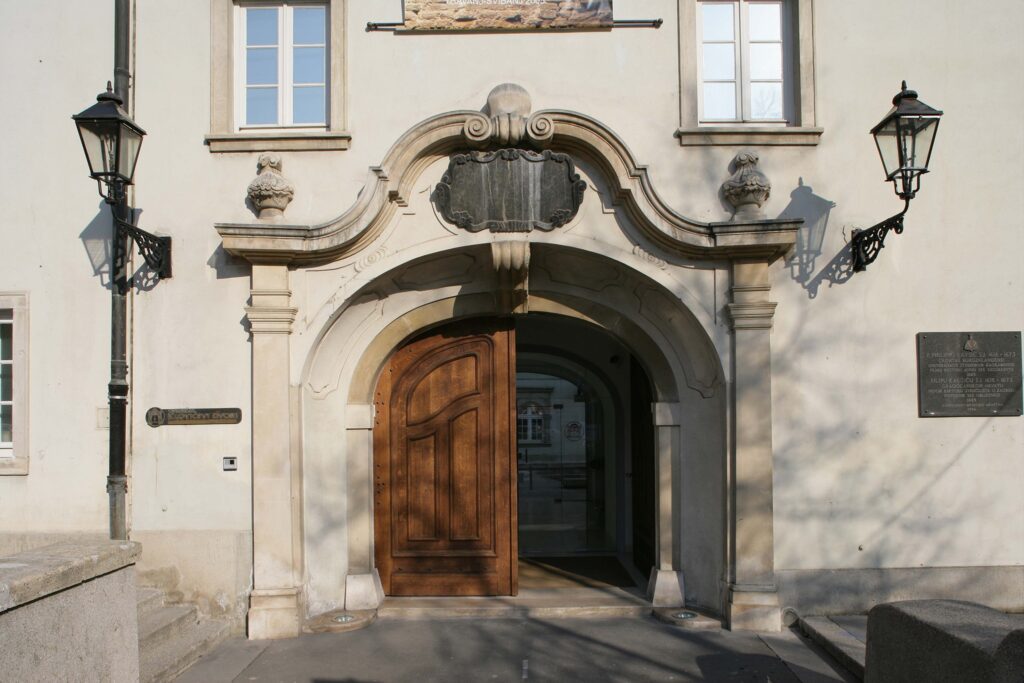
The Klovićevi dvori gallery is located in the complex of the former Jesuit monastery, the construction of which began in the 17th century. In the eighties of the 20th century, the monastery building was remodeled and exhibitions began to be held in it from 1982. Already at the beginning of the eighties of the last century, the Gallery boldly embarked on large-scale cultural projects, until then unimaginable in our area. Opened with works by Dürer, Dušan Džamonja and Oton Gliha, it soon enabled the first public presentation Treasuries of the Zagreb Cathedral, then staged a retrospective of the sculptor Ivan Meštrović, and soon after amazed the European audience Ancient Chinese culture. The audience began to number in the hundreds of thousands. The gallery opened its doors and was the first in Croatia to promote comics, caricature and illustration as an artistic expression, and founded the Croatian Illustration Biennale. She brought to Zagreb the works of Picasso, Van Gogh, Mondrian, Miro, Vasareli, Chagall, Degas, Monet, Kandinsky and a whole constellation of artists of the famous German expressionism as well as the Russian avant-garde. The gallery has successfully presented Croatian historical heritage and contemporary art to Europe and the world on several occasions. It revealed an unknown artistic heritage to the local audience: numerous sacral treasures, superb works of art preserved under the auspices of church orders, Zagora as an unknown country, and Slavonia, Baranja and Srijem as a source of European civilization. The first evaluated the artistic works of local modern artists: Emanuel Vidović, Leo Junek, Slava Raškaj, Joze Kljaković, Robert Auer, Vlaha Bukovac, Mate Celestin Medović and Mencij Clement Crnčić. It also offered the first cultural synthesis of the Croatian avant-garde, the first synthesis of Greek and classical Roman heritage on Croatian soil, as well as the cultural synthesis of Croatian expressionism. Further development and program strategy will of course move towards the continuation of international exhibition projects and their contextualization in the currents of domestic fine art, as well as the affirmation and promotion of the best work of domestic fine art production in our area, but also its recognition in Europe and the world. The professionalism of our work and the seriousness in our approach to artistic heritage have been repeatedly awarded and recognized by state authorities, the media and, above all, by our loyal audience.