EN
EN  HR
HR 

Working hours:
Opening hours of the shop and observation deck of Kula Lotrščak from April 1, 2024:
Monday – CLOSED
Tuesday - Friday: 09:00 - 20:00
Saturday and Sunday: 11:00 a.m. - 8:00 p.m
Tickets:
Adults (individual): €3 / HRK 22.60
Children from 7 to 18 years: €2 / HRK 15.07
Group of children (group: 10 children): €1 / HRK 7.53
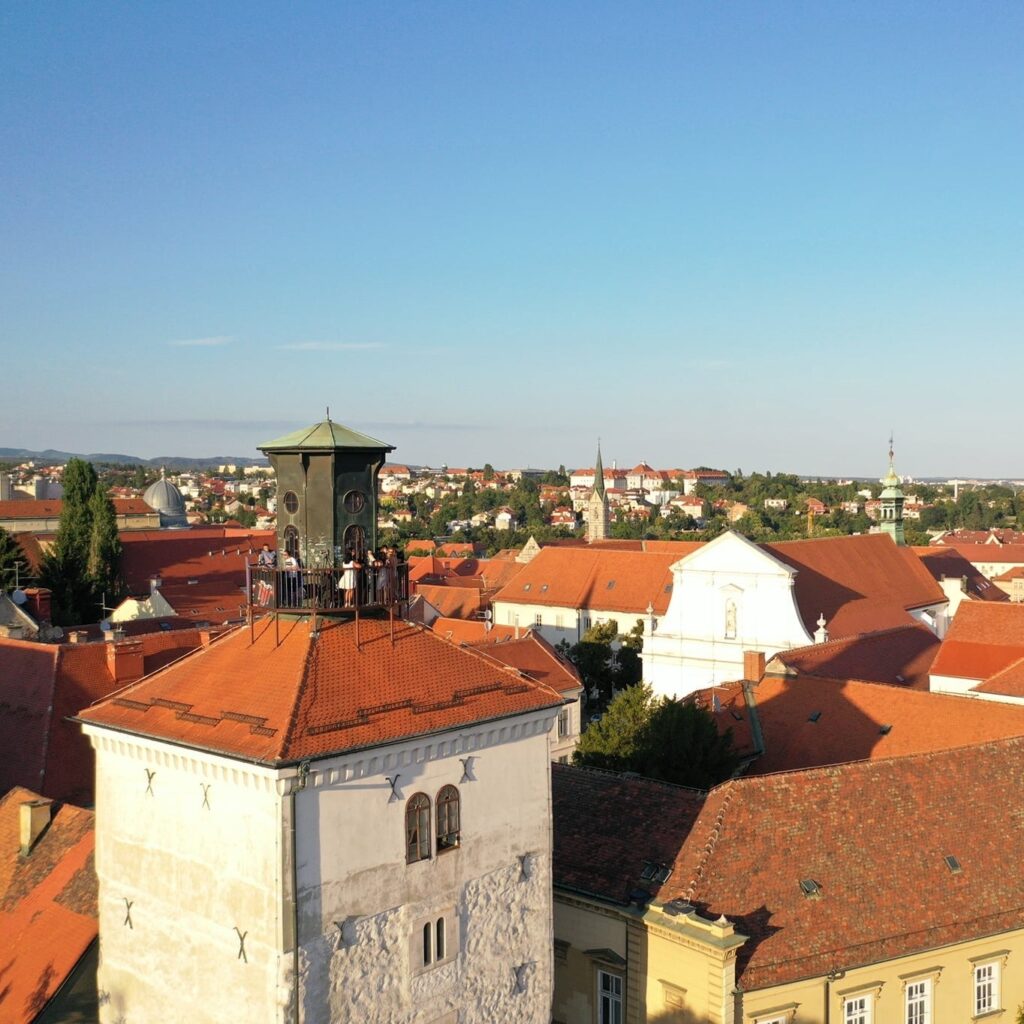
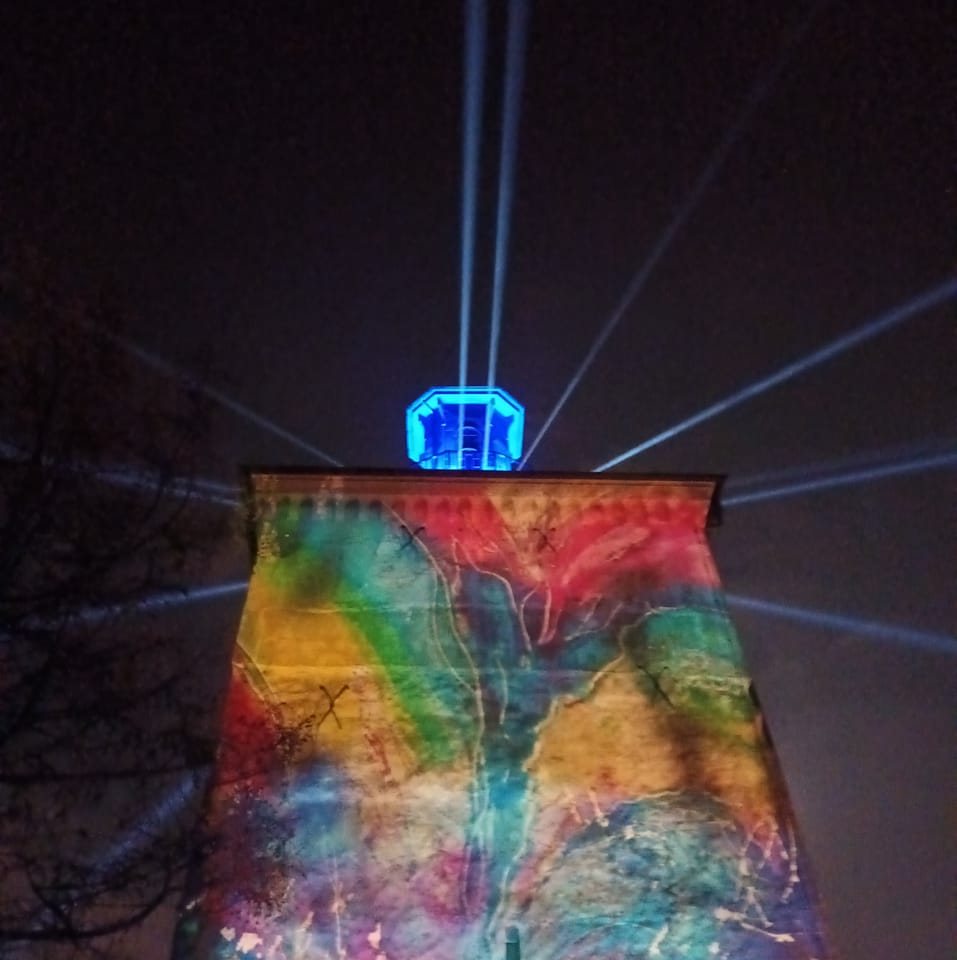
Croatian-Hungarian King Bela IV. with his famous Golden Bull from 1242, he repaid Gradec for the hospitality and shelter provided when fleeing from the Tatars. With it, he declared it a free royal city, but at the same time obliged the citizens to surround their city with walls and towers. The fortifications were built for twenty years and completed in 1266. Then the Lotrščak Tower was built, whose role was to defend the southern entrance to the city - the former small gate Dverce, which was demolished in 1812 during the construction of the southern promenade, i.e. today's Strossmayer Promenade.
The tower was named after the bell, Latin campana latrunculorum (thief's bell) that rang in the evening before the city gates were closed. Her appearance in the Middle Ages is not entirely known to us. According to some old drawings, it seems that it had only two floors with two windows on each floor and a hipped roof. The entrance to the ground floor was on the north and had stairs leading from the outside to the first floor.
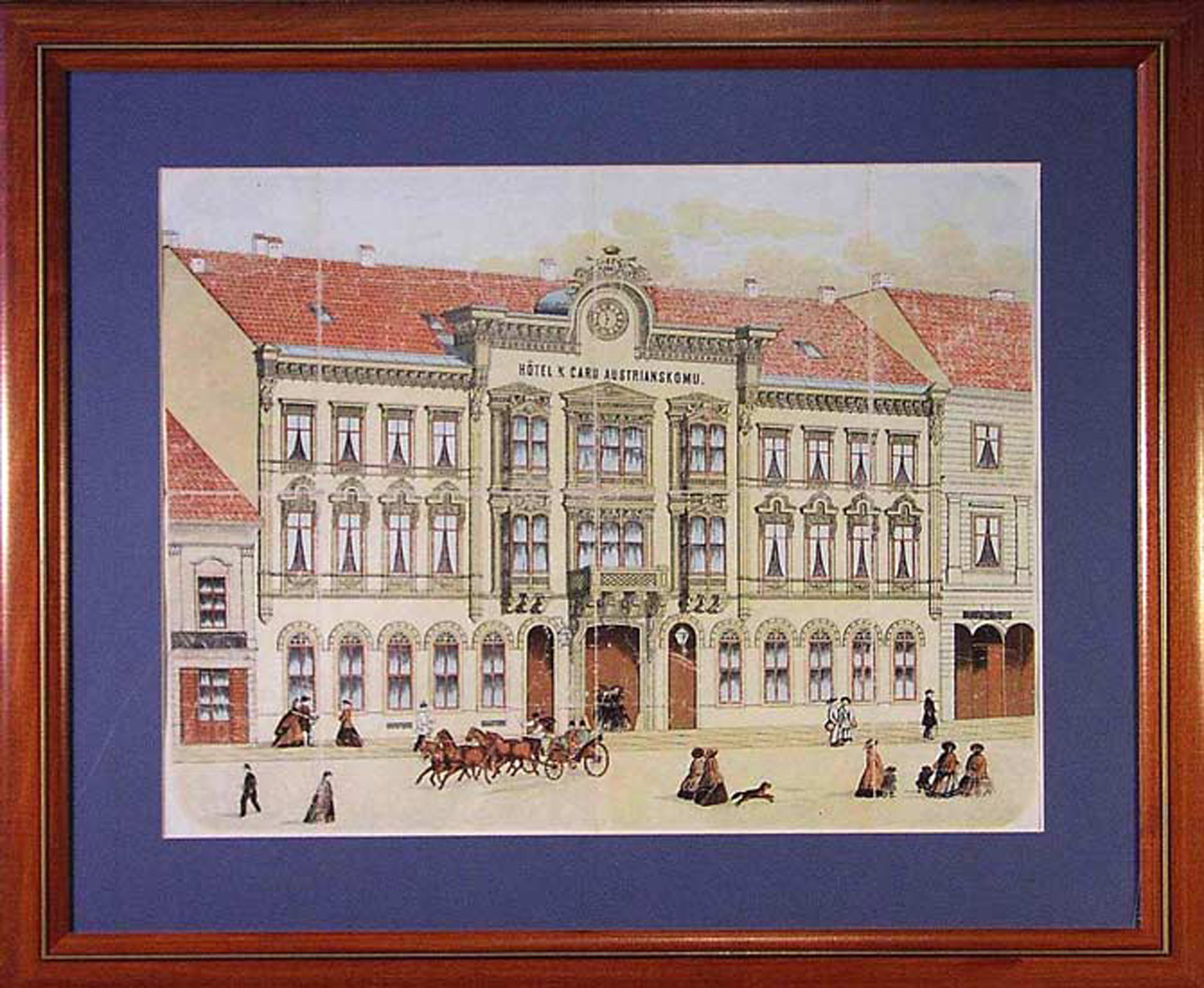
At the end of the 16th century, new users and new purposes changed the appearance, and the most significant changes date back to 1857. It was the time of the romantic wave of restoration of medieval buildings, so the Tower was extended by two floors, and a polygonal wooden fire alarm tower was erected on the roof.
It is interesting that the City leased the Kula to citizens in the absence of money for repairs and maintenance, with the obligation that they maintain it, and in case of an enemy attack, return it to the city for defense. This is how the Lotrščak Tower adapted to the needs of the times.
From the 17th century, it served as a trade warehouse, and in the 19th century, for some time, a cafe was located on its ground floor, which was entered from the south. Later, it was also used for residential purposes. Towards the end of the 19th century, the city administration decided to acquire a cannon that would fire every day at noon so that the bell ringers of all the city's churches could align themselves with it. The cannon sounded for the first time on New Year's Day in 1877. During the First World War, it was forgotten, and it sounded again only in 1927 from the south window of the fourth floor, from where it still sounds today at noon.
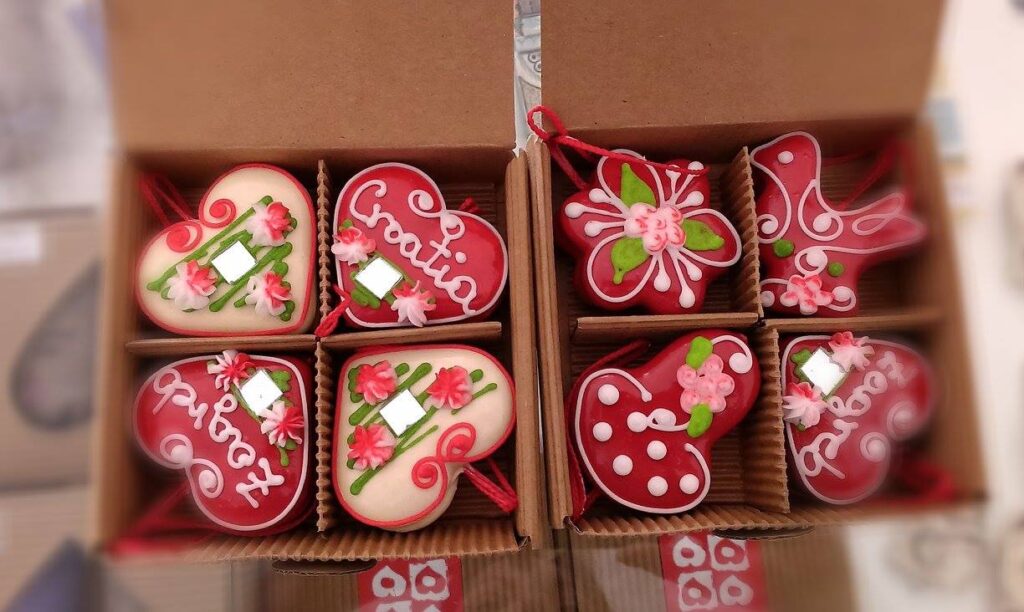
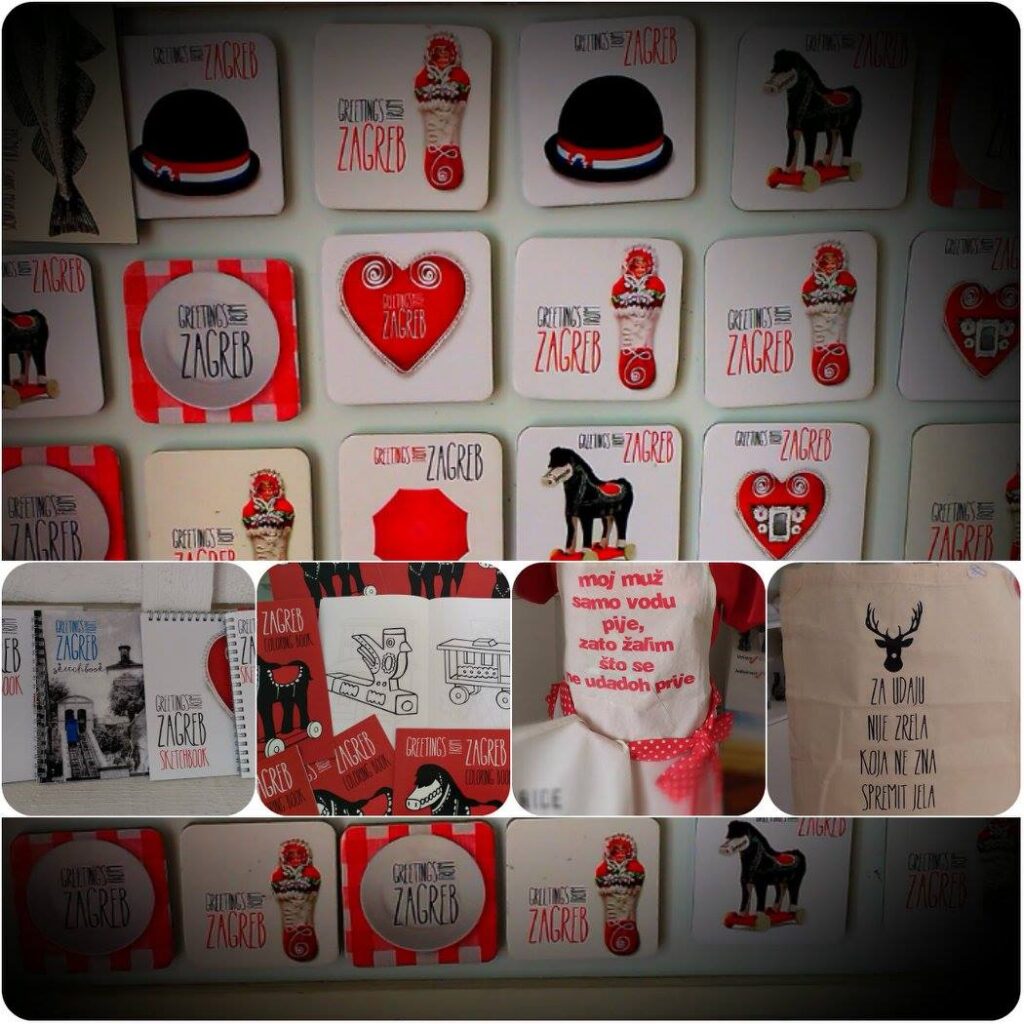
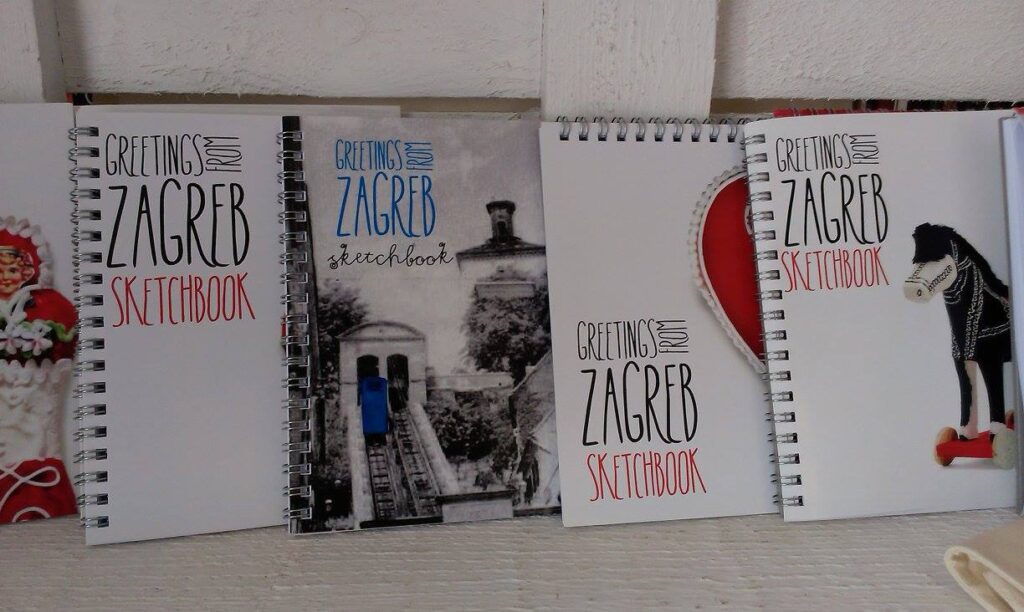
Today, the Lotrščak Tower is an integral part of the Klovićevi dvori Public Institution. On the ground floor of the Tower, there is an Art & Gift Shop that offers various souvenirs, art books and objects, as well as unique jewelry, and if you climb to the top of the Tower, you will have the most beautiful view of the Zagreb panorama from the observation deck.
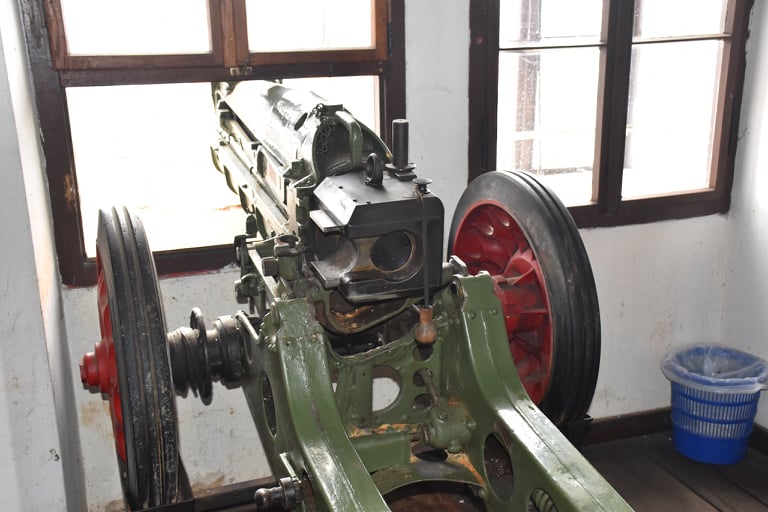
The Lotrščak tower on the fourth floor guards the Grički cannon, which is reported to the people of Zagreb every day exactly at noon. Visit the Kula, see the photographic exhibition about Zagreb, enjoy the panoramic view of Zagreb and browse the offer in the souvenir shop!